

Personal Loan Calculator
See your repayments, the comparison rate your fees really add up to, and how much sooner a small extra payment clears the loan.
Built and checked byTimothy Hirou GaschereauFigures verified at the source on
Your details
Repayment per month
$451
Total interest
$6,181
Fees over the loan
$895
Total you repay
$27,076
Your real comparison rate
12.63%
The advertised rate is 11%. Once the $295 establishment fee and $10 monthly fee are counted, the real cost is 12.63%, which is 1.63 percentage points higher. On a small loan over a short term, fees can move this a long way.
An extra $50 a month saves you $853
And clears the loan 7 months early, in 4 years and 5 months instead of 5. Personal loans are usually the highest rate debt after credit cards, so extra repayments here beat almost anywhere else you could put the money.
The comparison rate is solved from your repayments and fees against the amount you actually receive, so it reflects the true cost rather than the headline. Weekly and fortnightly figures spread the monthly amount for budgeting, they are not an accelerated schedule.
How to use this calculator
- 1. Use the rate the lender leads with. The calculator works out the comparison rate itself, so you can see exactly what the fees are costing you.
- 2. The term is the single biggest lever on total cost. It is tempting to stretch it until the monthly figure feels comfortable, which is precisely how a loan gets expensive.
- 3. Even a small amount each month changes the payoff date noticeably at these interest rates. Check your loan allows extra repayments without a fee first, especially on a fixed rate.
- 4. Both fees are on the lender's key facts sheet. On a smaller loan over a short term they can add several percentage points to the true cost.
How personal loan repayments are calculated
Your repayment stays the same each month, but what it is doing changes. Early on, most of it is interest, because interest is charged on the balance and the balance is at its highest. As the balance falls the interest portion shrinks and more of the same payment goes to the debt itself. That is amortisation, and it is why the first year of a loan barely dents the principal.
Australian personal loan rates in 2026 typically run from about 6% to 20% a year depending on the lender, whether the loan is secured, and your credit file. On a $20,000 loan at 11% over five years the scheduled repayment lands near $441 a month before fees. The weekly and fortnightly figures in the results are that monthly amount spread across your pay cycle for budgeting, not a faster schedule, so switching frequency alone does not reduce your interest.
Secured or unsecured
A secured personal loan is backed by an asset, usually a car or a term deposit. If you stop paying, the lender takes it. Less risk for them, lower rate for you, typically the 6% to 12% end of the range. Unsecured has no collateral, so the lender prices the risk instead, generally 8% to 20% and higher with a weaker credit file.
The trade is straightforward once you say it plainly: secured is cheaper because you are the one carrying the downside. For smaller amounts the rate saving rarely justifies putting an asset on the line, which is why most personal loans under $10,000 are unsecured. For larger amounts over longer terms the gap becomes real money and the calculation changes.
Fixed or variable, and what it means for extra repayments
A fixed rate locks your repayment for the term, which makes budgeting simple and means a rate rise cannot touch you. The cost is flexibility: fixed personal loans often restrict extra repayments or charge a break fee if you clear the loan early, which quietly removes the best tool you have for cutting the total cost.
A variable rate moves with the market and almost always allows extra repayments without penalty. If your plan involves throwing money at the loan whenever you can, variable usually wins even at a slightly higher headline rate, because the interest you avoid outweighs the difference. Read the contract before assuming extra repayments are free, it is the single most common unpleasant surprise on a fixed loan.
What the comparison rate captures, and what it misses
The comparison rate folds the interest rate together with the establishment fee and ongoing monthly fees into one annualised number, so two offers become comparable. It is why a 10% loan with a $500 establishment fee can be worse than a 10.5% loan with none, and this calculator solves yours from your actual repayments rather than repeating a number off an ad.
What it does not capture: redraw fees if you want access to extra repayments you have made, break fees on fixed loans, balloon payments, and optional extras like payment protection insurance. Two loans can show identical comparison rates and still cost you very differently once those land. The comparison rate narrows the field, the key facts sheet decides it.
Why the term matters more than people think
Stretching the term is the easiest way to make a repayment feel affordable and the most expensive habit in consumer lending. Borrow $20,000 at 12% over three years and the repayment is $664 a month with $3,914 of interest. Take the same loan over five years and the repayment drops to $445, which feels like relief, but the interest climbs to $6,693.
That is $2,779 extra for the privilege of paying $219 less each month. If you can carry the shorter term, take it. If you genuinely cannot, take the longer one with your eyes open and use the extra repayment field to claw the difference back whenever your cash flow allows.
When a personal loan beats a credit card or buy now pay later
Credit cards charge somewhere around 15% to 22% and, worse, have no end date. Pay the minimum and the balance follows you for years, which our credit card payoff calculator demonstrates fairly brutally. Buy now pay later is interest free across four fortnights and genuinely fine for a small purchase you will clear, but the fees bite the moment you miss one and you cannot stretch the term.
A personal loan earns its place at around $3,000 or more over a year or longer. You get a fixed schedule, a known end date, and no revolving limit tempting you back. It is also the standard tool for consolidating debt, which works right up until the cleared credit cards get used again, at which point you have two debts instead of one.
FAQ
How much can I borrow with a personal loan?
Most Australian lenders offer between $2,000 and $75,000, with some going higher for secured loans. The floor exists because small loans cost the lender more to administer than they earn. The ceiling depends on your income, existing debts and credit file rather than the advertised maximum.
Does changing to weekly or fortnightly repayments save me interest?
Not by itself, and this calculator is honest about it. The weekly and fortnightly figures shown are the monthly repayment spread across your pay cycle so it is easier to budget. You only save interest if the extra frequency means you pay more per year, which is what the extra repayment field models.
How does my credit score change the rate?
A lot. It is the main thing lenders price on, alongside whether the loan is secured. The gap between a strong file and a weak one can be eight to ten percentage points, which on a $20,000 five-year loan is thousands of dollars. Worth pulling your credit report and fixing any errors before you apply.
Can I pay a personal loan off early?
Usually yes on a variable rate, often with conditions on a fixed rate. Fixed loans can charge a break fee, and some restrict how much extra you can pay each year. Ask before you sign, because the ability to overpay is worth more than a small difference in the headline rate.
What is an establishment fee?
A one-off charge for setting up the loan, typically $200 to $500, covering the application, credit checks and paperwork. It is usually added to the loan rather than paid on the day, which means you also pay interest on it. That is exactly why it pushes the comparison rate above the advertised rate.
What happens if I miss a repayment?
A late fee, usually $10 to $50, and the missed amount rolls forward. Miss several and your credit file takes a hit that lasts years, and the lender can escalate. If money gets tight, contact them before you miss rather than after, since hardship arrangements exist and are far easier to set up while you are still current.
Is a personal loan good for debt consolidation?
It can be, if the new rate is genuinely lower than what you are paying and you close the accounts you have paid off. Rolling three credit cards into one lower-rate loan simplifies life and saves interest. Rolling them in and then using the cards again leaves you worse off than when you started, which is the usual failure mode.
Will a personal loan hurt my mortgage application?
Yes, it reduces your borrowing capacity. Lenders look at your total debt and your repayments against your income, so an active personal loan directly shrinks the mortgage you can get, often by several times the loan balance. If a home purchase is on the horizon, clear it first.
How long does approval take?
Most lenders decide within one to five business days, and online lenders can be same day. Funds usually land one to two business days after approval. Self-employed applicants should expect longer, since lenders typically want two years of tax returns or accountant-prepared statements.
Can I get a personal loan if I'm self-employed?
Yes, it just takes more paperwork. Lenders want two years of returns or financials to verify income, and they will ask about any big swings. Gather the documents before you apply and expect to shop around, since lenders vary a lot in how they treat variable self-employed income.
Are joint personal loans available?
Yes, and both borrowers are fully liable for the whole debt, not half each. That can help if one applicant has a stronger credit file, but if the relationship ends the debt does not. Go in understanding that you are each on the hook for the full amount regardless of what you agree between yourselves.
How accurate are these numbers?
Close, but treat them as an estimate. Lenders calculate interest daily and round differently, and a variable rate will move. The comparison rate here is solved from your inputs using the same principle lenders apply, so it is a fair basis for comparing offers, but confirm the exact repayment on the lender's key facts sheet before signing.
Where these numbers come from
Every rate and threshold in this calculator was read off the official page, not copied from another calculator. Check them yourself, they change.
📚 Recommended reading
The Total Money Makeover
Dave Ramsey
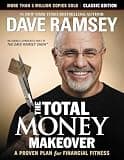
The Total Money Makeover
A no-nonsense, step-by-step plan for smashing debt with the snowball method and building a real emergency fund. The tough-love budgeting works anywhere, just use the ATO and super instead of his US tax tips.
The Barefoot Investor
Scott Pape

The Barefoot Investor
Australia's best-selling money book ever. A simple system for accounts, budgeting, debt and a real emergency fund in one.
Some links above are affiliate links. If you buy through them, Snowball Invest may earn a small commission at no extra cost to you. We only recommend books we'd suggest anyway.
SnowLetter
Australia's money news and our best reads, once a week.
Disclaimer
This calculator estimates repayments using standard monthly amortisation over the term you enter, with the establishment fee added to the loan and the monthly account fee charged on top. The comparison rate is solved from your repayments and fees against the amount actually advanced, following the same principle lenders use, though an individual lender's published figure may differ slightly depending on which fees they include. Weekly and fortnightly figures are the monthly repayment spread across a pay cycle for budgeting, not an accelerated repayment schedule. Interest rate ranges quoted on this page are typical market figures, not quotes, and rates, fees and lender policies change frequently. The calculator does not model variable rate changes, redraw or break fees, balloon payments, payment protection insurance, or the effect of missed repayments. It provides estimates only and is not financial advice. Snowball Invest does not compare or recommend lenders. See moneysmart.gov.au for free independent guidance.