

Car Loan Calculator
See your repayments, the comparison rate your fees actually add up to, and what the car costs you by the time it's paid off.
Built and checked byTimothy Hirou GaschereauFigures verified at the source on
Your details
Repayment per month
$711
Amount financed
$35,400
Total interest
$6,658
What the car really costs
$47,658
Your real comparison rate
8.08%
The advertised rate is 7%, but the $400 establishment fee and $10 a month in account fees push the true cost to 8.08%. That gap of 1.08 percentage points is what fees are worth, and it is why a lower advertised rate can be the more expensive loan.
Where your money goes
The comparison rate is solved from your actual repayments, fees and balloon, the same way lenders are required to calculate the one they advertise. Weekly and fortnightly figures are the monthly amount spread out for budgeting, not an accelerated repayment schedule.
How to use this calculator
- 1. On-road costs, registration and dealer delivery all get financed too. Using the sticker price understates what you'll actually borrow by a few thousand dollars.
- 2. Both reduce the amount financed the same way. They also decide how long you spend in negative equity, which is the part most calculators never mention.
- 3. Type in the rate the lender leads with. The calculator solves the comparison rate from your repayments and fees, the same way lenders are required to.
- 4. The establishment fee and the monthly account fee are where the gap between advertised and real opens up. A quote will list both if you ask for them.
How car loan repayments are calculated
Car loans use a reducing balance, which just means interest is charged on what you still owe rather than on what you originally borrowed. Early repayments are mostly interest, later ones are mostly principal, and the crossover comes sooner on a shorter term. Three things drive the number: the amount, the rate and the term.
Borrow $30,000 at 7.5% over five years with no balloon and the repayment is $601 a month, with $6,068 of interest over the term. Stretch the same loan to seven years and the monthly figure drops, which feels like a win, but the interest bill climbs by thousands and you spend two extra years attached to a car that is busy losing value. A longer term is a cash flow decision, not a saving.
Why the comparison rate matters more than the advertised rate
The advertised rate is the base rate and nothing else. The comparison rate folds in the mandatory fees, and under the National Consumer Credit Protection Act it is standardised so you can hold two offers side by side. It is the only rate worth comparing, and it is the one this calculator solves for you.
The gap is bigger than people expect. Take a $20,000 loan advertised at 5.99% over three years, with a $595 establishment fee rolled in and a $10 monthly account fee. The repayment is $626 a month, and the rate that actually equates those payments to the $20,000 you drove away with is 9.05%, not 5.99%. Three percentage points, hidden in two fees most people never ask about. That is why a higher advertised rate with no fees regularly beats a headline special.
Balloon payments, and who they actually suit
A balloon is a lump sum still owing when the term ends, usually 20% to 30% of the purchase price. Your repayments fall because you are not really paying the loan off, you are deferring a chunk of it, and you pay interest on that chunk the whole way through. Lower monthly, higher total, every time.
They suit two groups honestly: people inside a novated lease, where the structure and the tax treatment are the point, and people who know they are selling the car before the balloon falls due. For everyone else the balloon is a way to afford a car you cannot afford, and it ends with a lump sum you refinance, which turns a five-year loan into an eight-year one on the same increasingly tired vehicle.
Secured or unsecured, and what it does to your rate
A secured car loan puts the car up as collateral, so the lender can repossess it if you stop paying. Less risk for them means a lower rate for you, typically somewhere in the 6% to 9% range for a borrower with a clean credit file and a reasonably new car. Most lenders also want the car to be under seven to ten years old by the time the loan ends, which quietly rules out older vehicles.
An unsecured personal loan has no collateral, so the rate is higher, often 10% to 15% or more depending on your credit file. It buys you flexibility, since the lender does not care what you spend it on and the car's age is irrelevant. If you're weighing that up, our guide to comparing personal loans covers what actually differs between them. Rates move, so treat those ranges as a sense of scale rather than a quote.
Dealer finance versus a bank or a broker
Dealer finance is genuinely convenient. You pick the car and the paperwork appears on the same desk. You pay for that convenience through the margin the dealer earns on your rate. ASIC banned flex commissions in 2018, which was the worst version of this, where the dealer set your rate and pocketed the difference, but margins still exist in other forms.
Banks and credit unions lend directly and quote transparently. Finance brokers can reach lenders you cannot walk into, and are worth asking how they are paid, because it is usually a commission from the lender. The practical rule is unglamorous and works: get one outside quote before you sit at the finance desk, and compare comparison rates, not advertised ones. If you are already in a loan that is not working, our guide to refinancing a car loan walks through the exit.
Depreciation and negative equity
A new car drops roughly 15% to 20% of its value in the first year and about half of it over five, on the usual industry estimates. Your loan does not fall that fast, especially early on when most of the repayment is interest. Borrow the full price with no deposit and you can owe more than the car is worth within months.
That is negative equity, and it stays theoretical right up until it isn't. Write the car off or have it stolen and the insurer pays market value, not your loan balance, and you cover the gap on a car you no longer own. A deposit of 10% to 20% is the cleanest fix, a shorter term helps, and a balloon makes it worse. The calculator shows how many months you spend underwater, which is usually the number that changes someone's mind about the deposit.
FAQ
What is a good interest rate on a car loan in Australia?
For a secured loan on a reasonably new car with a clean credit file, roughly 6% to 9% is the normal range, and better is possible with an excellent file. Unsecured personal loans sit higher, often 10% to 15%. Compare on comparison rate rather than the advertised rate, because a low headline with high fees regularly loses to a plain rate with none.
How is the comparison rate different from the advertised rate?
The advertised rate is just the interest. The comparison rate folds in the mandatory fees and is standardised by law so two offers can be compared directly. The difference is often larger than people expect: a $20,000 loan at 5.99% with a $595 establishment fee and $10 a month in account fees works out to about 9.05% over three years.
How does a balloon payment change my total cost?
It lowers your repayments and raises your total cost. Because part of the principal is deferred to the end, you pay interest on that part the whole way through. Set the balloon to zero in the calculator and then to 25% of the price, and the difference in total cost is the honest price of the smaller monthly figure.
What fees should I be asking about?
An establishment or application fee, usually somewhere between $200 and $600, and a monthly account keeping fee of about $5 to $15. Then ask about early repayment or break fees, and whether extra repayments are allowed without charge. Those four questions explain most of the gap between an advertised rate and the real one.
How much deposit should I put down?
Aim for 10% to 20% of the drive-away price. It cuts your repayments, cuts your interest, and most importantly keeps you out of negative equity while the car depreciates fastest. If a deposit is out of reach entirely, that is worth treating as information about the timing rather than a problem to finance around.
What is negative equity and why does it matter?
It means you owe more on the loan than the car would sell for. It matters the day something goes wrong, because if the car is written off or stolen your insurer pays its market value and you still owe the rest. The calculator shows how many months you spend in that position based on your deposit and depreciation rate.
Is dealer finance a bad deal?
Not automatically, but it deserves the same scrutiny as anything else. Dealers earn a margin on the rate they write you, and the convenience of signing everything in one afternoon is exactly what that margin is charging for. Get one outside quote first. If the dealer matches it, take the convenience.
Should I choose a secured or unsecured loan?
Secured is cheaper because the lender can take the car back, and it usually requires a newer vehicle. Unsecured costs more but does not put the car on the line and does not care how old it is. For a late-model car the rate difference is big enough that secured usually wins on the numbers alone.
Can I use this for a novated lease?
No, and it would give you the wrong answer. A novated lease is a three-way arrangement with your employer where the payments come out of your pre-tax salary, which changes everything. Use our novated lease calculator for that, it handles the packaging and the FBT side properly.
What happens if I pay the loan off early?
You save the remaining interest, but check the contract first. Fixed rate car loans often carry an early repayment or break fee that can eat into the saving, and some lenders limit extra repayments. Variable rate loans are usually penalty free. It's a two-minute check that occasionally saves a four-figure sum.
How long should the loan term be?
Five years is the common middle ground. Shorter means higher repayments and much less interest, longer means the reverse plus more time in negative equity. A useful test: if you can only afford the car over seven years, the calculator is telling you something about the car rather than the loan.
How does my credit score change the rate?
It's one of the main inputs lenders use to price risk, alongside the car's age and your income. A strong file gets you the bottom of the range, a weak one gets a higher rate, tighter conditions, or a decline. Since a single percentage point on a $30,000 five-year loan is worth about $800, it's worth checking your file for errors before you apply.
Related reading
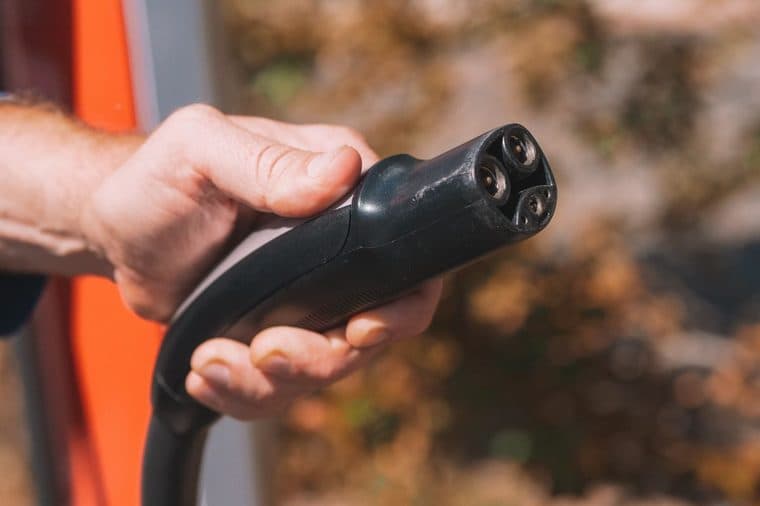
EV Novated Lease Australia: Tesla, BYD and the FBT Exemption
The EV FBT exemption makes novated leasing a battery electric vehicle one of Australia's best tax breaks. How it works, eligible models, and a worked example.

How to Refinance a Car Loan in Australia
Thinking of refinancing your car loan? Here is how to do it step by step, what it really costs, the balloon and car-age rules, and when it is actually worth it.

How to Save for a Car in Australia (Step-by-Step Guide)
Learn exactly how to save for a car in Australia, set a realistic target, avoid hidden on-road costs, and build a plan that actually works. Beginner-friendly guide.
Where these numbers come from
Every rate and threshold in this calculator was read off the official page, not copied from another calculator. Check them yourself, they change.
📚 Recommended reading
The Total Money Makeover
Dave Ramsey
The Total Money Makeover
A no-nonsense, step-by-step plan for smashing debt with the snowball method and building a real emergency fund. The tough-love budgeting works anywhere, just use the ATO and super instead of his US tax tips.
The Barefoot Investor
Scott Pape

The Barefoot Investor
Australia's best-selling money book ever. A simple system for accounts, budgeting, debt and a real emergency fund in one.
Some links above are affiliate links. If you buy through them, Snowball Invest may earn a small commission at no extra cost to you. We only recommend books we'd suggest anyway.
SnowLetter
Australia's money news and our best reads, once a week.
Disclaimer
This calculator estimates repayments using a reducing balance over the term you enter, with any balloon amount left owing at the end. The comparison rate is solved from your repayments, fees and balloon against the amount actually advanced, which follows the same principle as the rate lenders must advertise, though a lender's own figure may differ slightly depending on which fees they include. Interest rate ranges quoted on this page are typical market figures, not quotes, and rates and fees vary between lenders and change often. Depreciation is modelled as a constant annual percentage, whereas real cars lose value fastest in the first year and vary enormously by make and model. This tool does not model novated leases, chattel mortgages, commercial hire purchase, GST or tax deductibility for business use, or insurance and running costs. It provides estimates only and is not financial advice. Confirm figures with the lender's own disclosure documents, and see moneysmart.gov.au for free independent guidance.