

Debt Recycling in Australia: How It Works, Who It Suits, the Risks
Debt recycling in Australia explained plainly: the steps, tax rules, risks and who it suits. Learn how it works, then get advice before you start.
 By Timothy Hirou GaschereauPublished
 13 min read
Try it yourself
Debt recycling in Australia is one of those strategies that sounds complicated at first, but the core idea is surprisingly logical: you gradually convert your non-deductible home loan debt into tax-deductible investment debt, while building an investment portfolio at the same time. Done right, it can accelerate wealth-building. Done wrong, it can cause serious financial pain.
This is an advanced strategy, not a set-and-forget move. You need the right income, risk tolerance, professional team and a long horizon. Read this as a plain-English explainer, not a blueprint to act on alone: it is general information only, not personal advice, and you will need a licensed financial adviser, a registered tax agent, and ideally a mortgage broker before you touch a thing.
🎯 The essential: Debt recycling shifts debt from non-deductible (your home loan) to deductible (an investment loan), building a portfolio as you go, without adding to your total debt. Deductibility is about the PURPOSE of the borrowing, so the investment loan must be a SEPARATE split used only for income-producing assets. It suits stable income, a long horizon (7 to 10+ years), a higher tax rate and real risk tolerance. Leverage cuts both ways: get advice.
Good debt vs bad debt: the core idea
It comes down to one tax rule. Your home loan interest is not tax-deductible: you borrowed to buy a home you live in, a personal use, so no deduction. Investment loan interest is deductible (subject to ATO rules) when you borrow to earn assessable income, like dividends or fund distributions. Debt recycling slowly shifts your debt from the non-deductible column to the deductible column, building a portfolio along the way. You are not taking on more total debt: you are changing the nature of the debt you already have. Simple in theory, genuinely complex in practice.
How debt recycling works, step by step
- You have a home loan with equity (paid down over time, or a decent deposit).
- You borrow that equity back as a SEPARATE loan split, specifically for investing, not into your existing home loan account.
- You invest it in income-producing assets: Australian shares, broad ETFs or managed funds that produce assessable income.
- The interest on that split is tax-deductible, because its purpose is to earn income, reducing your taxable income.
- You use investment income and your tax refund to pay down the home loan faster, straight onto the non-deductible principal, not into lifestyle or the investment split.
- You repeat the cycle: as the home loan shrinks, more equity is available to redraw and invest again.
| Before | After several years | |
|---|---|---|
| Deductible debt | $0 | $200,000 |
| Non-deductible debt | $500,000 | $300,000 |
| Investment portfolio | $0 | $200,000 |
| Tax position | No investment deductions | Interest on $200,000 deductible |
Why keeping the loans separate matters (a lot)
Tax deductibility is determined by the purpose of the borrowing, not the security. Your home being security for both loans does not make the home loan deductible; what matters is what the money was used for. Mix personal and investment borrowing in one account and you create “contamination”, after which untangling deductible interest is a nightmare and the ATO may disallow deductions you thought you had.
Hard rules: the investment split is a completely separate account; never pay personal expenses from it (not groceries, not a holiday, nothing); never redraw it for personal use; and keep records of every transaction from day one. This is exactly why you use a mortgage broker who understands debt recycling to set it up, and a tax agent to maintain it.
Who it suits (and who it does not)
It generally suits people who have a home loan with meaningful equity, a stable reliable income, a long time horizon (7 to 10+ years), genuine comfort with a 30 to 40% portfolio drop, and a higher marginal tax rate (37% or 45%, which makes the deduction more valuable).
It does not suit people who have unstable income, a short horizon, low risk tolerance, a thin cash-flow buffer, or high-interest consumer debt that should be cleared first. On the fence? That is a conversation for a licensed adviser, not more blog posts.
If you want to see the shape of it on your own numbers first, our debt recycling calculator shows the return your investments need just to beat paying the loan down instead. That break-even figure answers the “is it worth it” question far better than any rule about tax brackets.
The risks, honestly
- Leverage amplifies losses: borrow $200,000 and the market drops 30%, your portfolio is $140,000 but you still owe $200,000. The loan does not shrink with the market.
- Interest rate risk: if rates rise, repayments on both loans increase, squeezing your cash flow from both sides. Stress-test your budget at higher rates.
- Behavioural risk (the biggest one): panic-selling in a downturn locks in losses, kills the income stream funding the home loan paydown, and can leave you with a loan and no portfolio.
- Negative gearing: if investment income is less than the loan interest, the shortfall is a real cash cost you fund yourself, even though it reduces taxable income. See our negative gearing glossary.
- ATO scrutiny: aggressive variations (especially capitalising interest) are a red flag. Keep it straightforward and pay the interest as it falls due.
Getting it right: the professional team
Seriously considering it? A licensed financial adviser checks it suits your whole situation; a registered tax agent handles deductibility, records and your return (remember investment income is taxable in the year received, and CGT applies when you sell, with the 50% discount after 12 months); and a mortgage broker sets up the loan splits correctly before you invest a dollar. Keep it simple: diversified ETFs or managed funds that produce assessable income, not speculative punts. And if the goal is really just clearing the mortgage, our guide to paying off your mortgage faster is a simpler starting point.
The Snowball Debt Recycling Ledger
Split by split: what was drawn, when, and exactly what it bought. The paper trail is the entire point, and it's the part people skip.
Create a free accountFree, and it keeps all five in one place. Already have one?
Excel and Google Sheets (.xlsx), 10 KB
❓ Frequently asked questions
What is debt recycling in Australia?
+
Debt recycling gradually converts your non-deductible home loan debt into tax-deductible investment debt, while building an investment portfolio at the same time. You borrow against home equity to invest, then use the investment income and tax refunds to pay down the home loan faster. It is an advanced strategy that requires professional advice.
Is debt recycling legal in Australia?
+
Yes. It is legal and has been accepted by the ATO for decades: interest on borrowings used to earn assessable income is deductible under well-established tax law. However, aggressive variations (such as capitalising interest to manufacture deductions) attract ATO scrutiny, so keep the approach straightforward and work with a registered tax agent.
Is debt recycling risky?
+
Yes, genuinely. Leverage amplifies both gains and losses: if markets fall, your portfolio drops but your loan stays the same. Rate rises squeeze cash flow on both loans. And the biggest real-world risk is behavioural: panicking and selling in a downturn can cause lasting damage. It suits people with stable income, a long horizon, and real risk tolerance.
Do I need a separate loan for debt recycling?
+
Yes, absolutely. The investment loan must be a completely separate account from your home loan. Mixing personal and investment borrowing in one account (contamination) can destroy the deductibility of your interest. A mortgage broker experienced in this area should set up the loan splits correctly from the start.
Who should not do debt recycling?
+
People with unstable or variable income, a short time horizon, low risk tolerance, or who are already financially stretched. It also makes little sense on a low marginal tax rate (the deduction is worth less), and you should clear any high-interest consumer debt first.
Is debt recycling worth it?
+
It can be, for the right person over a long horizon: faster home loan paydown, a growing portfolio, and tax deductions can compound powerfully. But the risks are real, the setup must be correct, and it needs discipline over many years. Whether it is worth it for you is a question for a licensed financial adviser who knows your full situation.
Keep reading
📚 Recommended reading
The Barefoot Investor
Scott Pape

The Barefoot Investor
Australia's best-selling money book ever. A simple system for accounts, budgeting, debt and a real emergency fund in one.
Making Money Made Simple
Noel Whittaker

Making Money Made Simple
Australia's classic, comprehensive money guide covering tax, super and investing, updated for today.
Motivated Money
Peter Thornhill
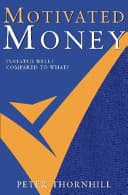
Motivated Money
Peter Thornhill's cult-favourite case for living off fully franked dividends instead of chasing capital gains. A calm, contrarian Aussie take that has quietly built a big following of long-term investors.
Some links above are affiliate links. If you buy through them, Snowball Invest may earn a small commission at no extra cost to you. We only recommend books we'd suggest anyway.
Sources
This article is general information only, not personal financial or tax advice. Debt recycling is an advanced, leveraged strategy and the rules can change. Speak to a licensed financial adviser and a registered tax agent before proceeding.
Was this article useful?
Put it to your own numbers
Every calculator runs entirely in your browser, with nothing stored. See what these numbers look like for your own situation.
Try the Land Tax calculator →General information only. This article is educational and does not constitute personal financial advice. It does not account for your circumstances. Consider your own situation and seek advice from a licensed adviser before acting. Read our full disclaimer.

Timothy Hirou Gaschereau
Founder of Snowball Invest, not a financial adviser.
I write about what I'm learning myself, because nobody ever taught us how to take control of our own money. It's a skill, not a mystery, and it's never too late to learn it. The best day to start was yesterday, the second best is today.
LinkedIn →Related articles

Pay Off Mortgage or Invest? The Honest Australian Guide
Should you pay off your mortgage or invest your spare cash? We break down the real maths, the tax angle, offset accounts, super, and a worked example for Australian homeowners.

Shares or a Cash Bonus? How to Choose in Australia
Offered your bonus in equity instead of cash? How each is taxed, why the timing matters more than the rate, and the risk most people forget to price.

How Are Dividends Taxed in Australia? (Franking Credits Explained)
Learn how dividends are taxed in Australia, how franking credits work, and what to declare, with a plain-English worked example for share investors.